


Sledding is one of Michigan’s favorite winter traditions, with families gathering at neighborhood hills and public parks to enjoy the snow. Although sledding is thrilling, it can also lead to serious injuries, mainly when hills are crowded or conditions are icy. After an accident, many people wonder whether anyone could be held legally responsible.
Below is an overview of how Michigan law generally looks at sledding injuries and the factors that may affect liability.
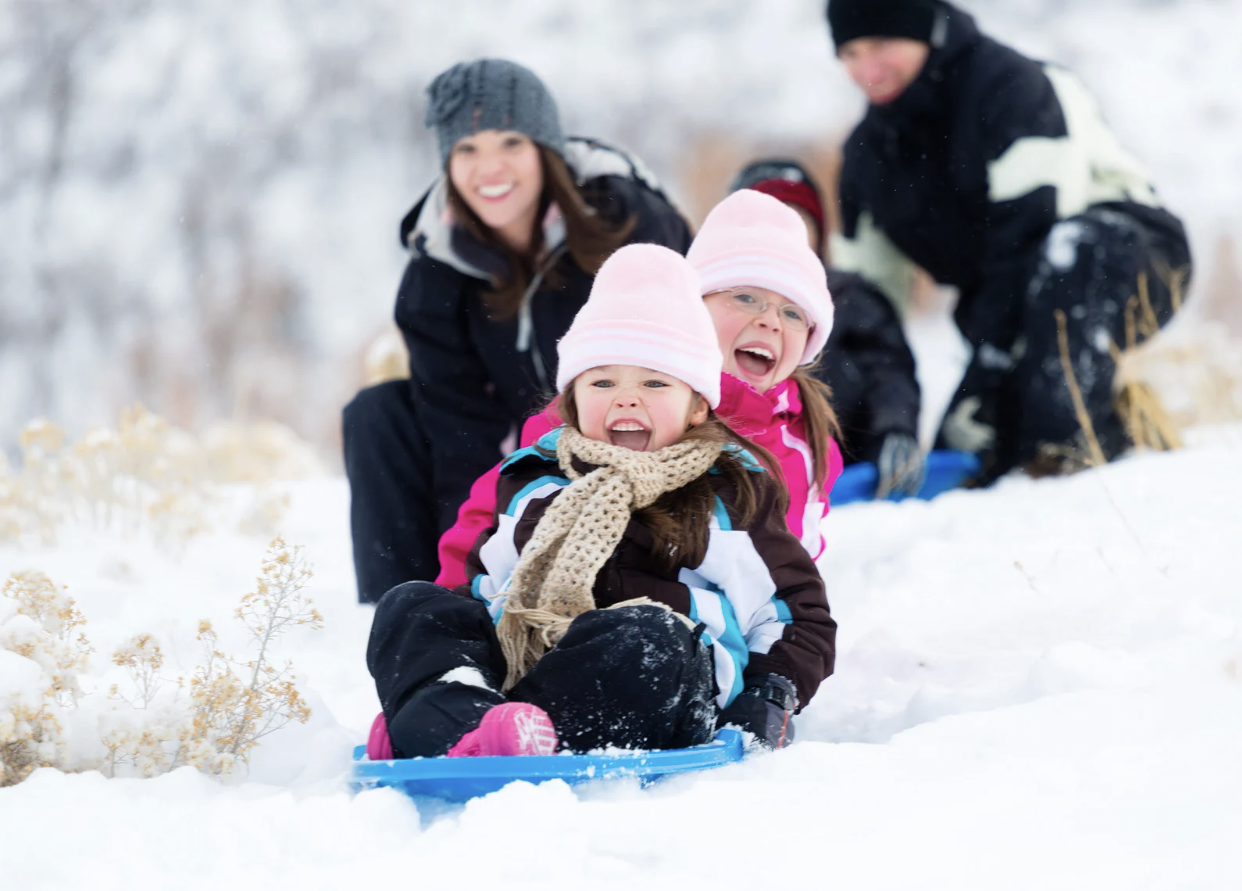
Common Sledding Injuries
Sledding injuries can range from minor to severe. The most common injuries include:
- Head injuries such as concussions
- Broken bones in the arms, wrists, or legs
- Spinal cord injuries and neck injuries
- Cuts or bruises
These injuries often occur when sledders collide with one another on crowded hills, strike trees or other fixed objects, or lose control at the bottom of a hill. Icy or uneven surfaces can also increase speed and make steering more difficult.
Children are especially vulnerable to sledding injuries due to their size and limited ability to control speed and direction. Adults can suffer serious injuries as well, particularly when sledding at high speeds or on steep hills.
Is There Liability if Another Sledder Crashes Into You?
In Michigan, sledding is normally considered a recreational activity with known risks. As a result, not every collision automatically leads to legal responsibility. Whether someone can be held liable depends on how the accident happened.
If another sledder crashes into you, liability may exist if that person acted recklessly or unreasonably. Examples may include sledding at excessive speed in a crowded area, ignoring posted safety rules, or intentionally aiming toward others. Typical accidents, such as two sleds colliding despite reasonable care, are less likely to result in liability.
Michigan courts often look at whether the risk was inherent to the activity and whether the person causing the injury acted beyond what would be expected in normal sledding conditions.
Can Property Owners Be Held Responsible for Sledding Injuries?
Many sledding accidents happen on public property like city parks or school hills, or on private property with the owner’s permission.
Michigan’s Recreational Land Use Act provides strong protections for landowners who allow people to use their property for recreational purposes without charging a fee. Under this law, property owners typically are not liable for injuries unless they engaged in gross negligence or willful misconduct. That means simple failure to remove hazards or warn of natural conditions usually is not enough to create liability.
Government-owned property also may be protected by governmental immunity, which can further limit when a city, school district, or other public entity can be sued.
Premises Liability Considerations
Although property owners are often protected from liability, there are situations where premises liability may still apply. This may be the case if a property owner knew about a hidden danger, such as an unmarked drop-off, exposed concrete, or other man-made hazard, and failed to fix it or warn people about it. In these cases, the focus is on whether the danger was obvious and part of normal sledding conditions, or whether it created an unexpected and unreasonable risk of injury.
Assumption of Risk in Sledding
Michigan law recognizes that people who choose to participate in recreational activities accept certain risks that are obvious and inherent. Speed, uneven terrain, and the possibility of collisions are generally considered part of sledding.
This does not mean injured sledders never have legal options, but it does mean that each case is unique and depends on the specific facts. Conduct that goes beyond normal sledding risks may still give rise to a claim.
Preventing Sledding Accidents and Injuries
Focusing on safety is the most effective way to reduce the risk of serious injuries. Wearing helmets can help prevent head injuries, particularly for children. Choosing well-maintained hills that are free of trees, fences, roads, and other obstacles is also important.
Supervising children, limiting sledding to designated areas, and avoiding overcrowded hills can reduce the likelihood of collisions. Sledders should stop before reaching streets or parking lots and avoid sledding at night or during poor visibility. Paying attention to icy conditions and using proper sledding equipment can further reduce the risk of losing control.
Conclusion
Sledding injuries are common in Michigan winters, but liability is not automatic. If someone crashes into you while sledding, the key question is whether their actions were reckless or unreasonable under the circumstances. Property owners often have significant legal protections, especially when land is open for recreational use.
If you were injured due to someone else’s negligence, contact an experienced personal injury attorney now to discuss your options and protect your rights.